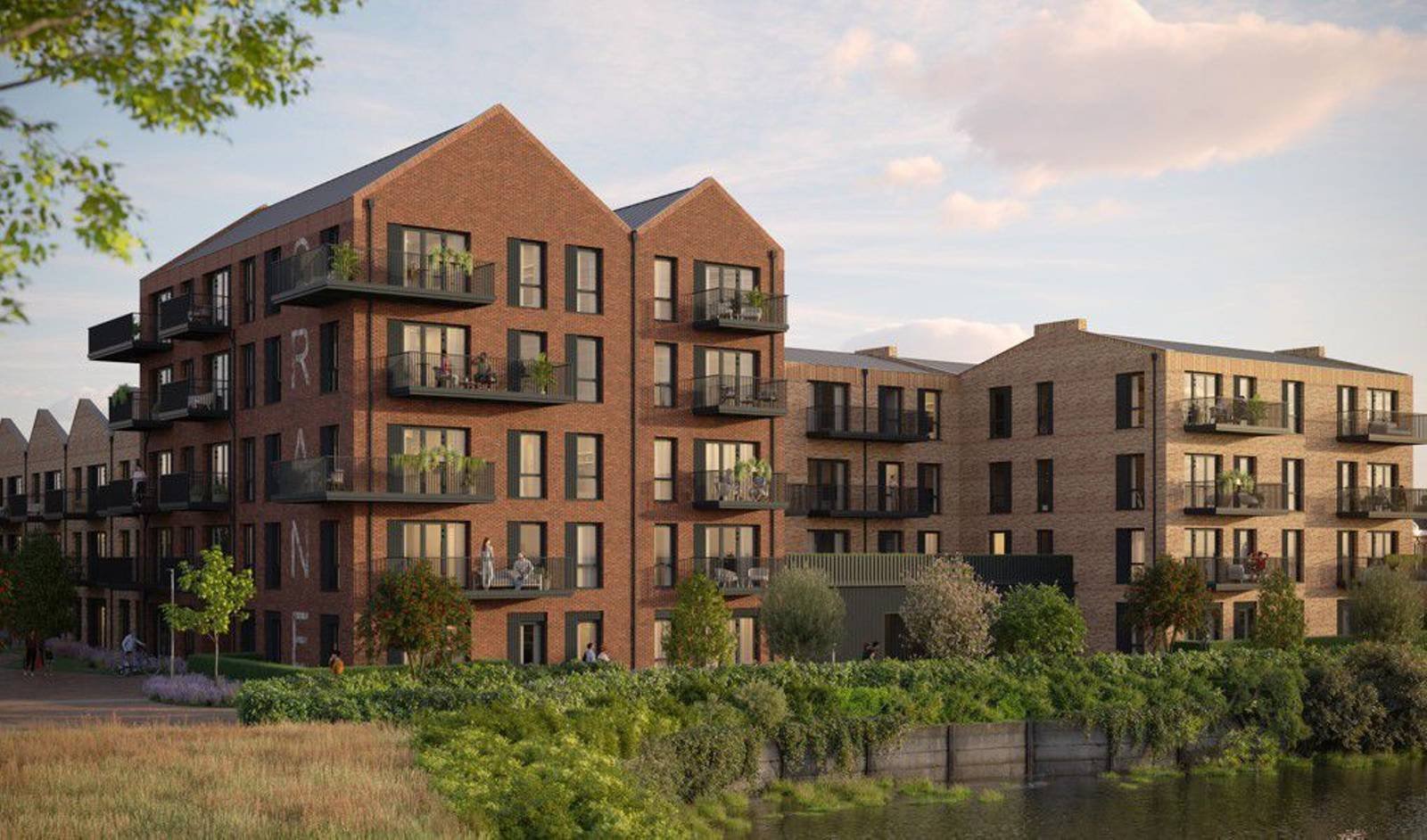

London’s property market in 2026 is forecasted to stabilize after years of volatility, with modest house price growth of 0-3% and rental increases around 2-4%, driven by Bank of England rate cuts and improving affordability. Demand focuses on energy-efficient homes in micro-prime areas like Woolwich and Battersea, while super-prime segments may see slight softening due to supply and taxes. For real estate professionals like you, this creates targeted chances in rentals and value buys amid UK economic recovery.
Key Trends and Insights
1. Price Stabilisation After Volatility
In recent years, the market has experienced fluctuations due to Brexit, the pandemic, and shifting interest rates. As of early 2026, property prices in London are beginning to stabilise. Prime central areas like Kensington, Chelsea, and Mayfair showcase resilience, while outer boroughs are seeing more modest growth.
2. Interest Rates and Affordability
The Bank of England’s monetary policy significantly influences mortgage affordability. Predictions indicate that the base rate could trend toward 3.25% by the end of 2026, allowing mortgage rates to ease into the mid-3% to 4% range. While this offers some respite, affordability still poses a challenge for first-time buyers due to the lingering pressures of wage growth and cost of living.
3. Shift Toward Suburban and Commuter Areas
There has been a notable trend towards suburban and commuter locales like Croydon, Bromley, and Richmond. Buyers are prioritising more space and better value, facilitated by improved transport links such as the Elizabeth Line, making commuting from these areas more feasible.
4. Robust Rental Market
Despite normalising rental growth, London’s rental market remains strong. High demand coupled with limited supply is pushing rents upwards. Many investors are drawn to this segment, eager to capitalise on the market’s resilience, even amidst tighter regulations.
5. Focus on Sustainability and Smart Living
Eco-friendly developments and energy-efficient homes are gaining traction. Buyers and tenants increasingly prioritise properties boasting good Energy Performance Certificate (EPC) ratings, driving demand for sustainable living spaces.
6. Foreign Investment
London continues to attract international capital, particularly from investors in the Middle East and Asia. The city’s prestigious luxury segments remain appealing, viewed as a safe haven for property investments.
Pricing and Rental Forecast for 2026
Analysts expect moderate price growth of approximately 2–4% across Greater London, with specific regions projected to fare better. The following table outlines the anticipated property values and rental expectations:
| Segment / Indicator | 2026 Expectation | Main Drivers |
|---|---|---|
| Greater London sale prices | Around 2% growth | Slight rate cuts and improved sentiment, but tight affordability. |
| Prime Central London prices | Roughly 1%+ growth | Global demand, currency appeal, and limited stock. |
| Average London price level | Roughly £565k–£575k by end-2026 | Gradual recovery without overheating. |
| Greater London rents | Approximately 2% rental growth | Strong tenant demand moderated by affordability. |
| Prime Central London rents | Around 3% rental growth, with pockets of higher increases | Low supply, high-income tenants, and international demand. |
Investment Opportunities and Risks
For both domestic and international investors, 2026 presents a focus on asset selection, income quality, and micro-location rather than pure speculative investments. The market’s gradual recovery and solid rental growth support these strategies.
- Favoured Property Types: One- and two-bedroom apartments near robust transport links, energy-efficient homes (EPC C or better), and family houses within good school catchments are in high demand.
- Risks to Consider: A slower-than-expected economic rebound, political or tax changes affecting overseas buyers, and potential inflation rises could impact sentiment and valuations.
Conclusion
As the London property market transitions into 2026, it reflects a cautious optimism and a period of recovery. With moderate growth expected in prices and rents, opportunities exist for strategic investment in well-located and sustainable properties. Monitoring macroeconomic factors and buyer preferences will be crucial for navigating the evolving landscape of London real estate in this dynamic environment.

 English
  Türkçe
  فارسی
فارسی